The Self-Esteem Assessment
 Take the quiz


Powered by Shimi and Huvi Jacobovits


Disclaimer: This assessment is for educational and self-reflection purposes only. This quiz is not a diagnosis—just a tool to help you better understand yourself. This is not a clinical evaluation, diagnostic tool, or substitute for professional psychological services. Results are meant to encourage self-awareness and personal development.
Self-worth is the sense that we are fundamentally okay, deserving of care, and capable of navigating life. Self-worth is also dynamic, shifting with changing circumstances, with the messages we absorbed growing up, and with the quality of how we talk to ourselves on an ordinary Tuesday. This assessment is designed to give you a snapshot of where things currently stand.
The goal of the assessment isn’t to label yourself or arrive at a verdict. Instead, it’s about building self-awareness. The way we relate to ourselves shapes everything from how we handle setbacks to how comfortably we let other people in. Wherever your score lands, it’s simply a place to start from, not a conclusion.
Instructions: For each statement below, choose the number that best reflects how true it is for you most of the time.
 1 of 18

Disclaimer: This assessment is for educational and self-reflection purposes only. This quiz is not a diagnosis—just a tool to help you better understand yourself. This is not a clinical evaluation, diagnostic tool, or substitute for professional psychological services. Results are meant to encourage self-awareness and personal development.
Most of us have heard the terms introvert and extravert, but personality science tells us they describe something more specific than shyness or being outgoing. The key difference comes down to energy: introverts tend to recharge through time alone, while extraverts tend to feel energized by social contact and external activity. Neither is better, and many people fall somewhere in the middle of this spectrum.
Understanding where you tend to land on this spectrum can be genuinely useful. It can help explain why certain situations feel draining rather than energizing, why you thrive in some environments and struggle in others, and how to set yourself up for the kind of rest and connection that actually works for you. This assessment isn’t a diagnosis but instead should serve as a starting point for getting to know yourself a little better.
Instructions: For each statement below, choose the number that best reflects how true it is for you most of the time.
1 of 17
Disclaimer: This assessment is for educational and self-reflection purposes only. This quiz is not a diagnosis—just a tool to help you better understand yourself. This is not a clinical evaluation, diagnostic tool, or substitute for professional psychological services. Results are meant to encourage self-awareness and personal development.
Communication style refers to the habitual way you express yourself, listen to others, and navigate interpersonal interactions. Understanding your natural communication tendencies helps you recognize when your style serves your relationships well and when adjustments might improve connection and understanding. Effective communication is a learnable skill that significantly impacts relationship satisfaction, conflict resolution, and personal fulfillment.
Read each statement and consider how well it describes your typical way of communicating with others. Select the response that most accurately reflects how you usually communicate, not how you believe you should communicate.
1 of 18
Disclaimer: This assessment is for educational and self-reflection purposes only. This quiz is not a diagnosis—just a tool to help you better understand yourself. This is not a clinical evaluation, diagnostic tool, or substitute for professional psychological services. Results are meant to encourage self-awareness and personal development.
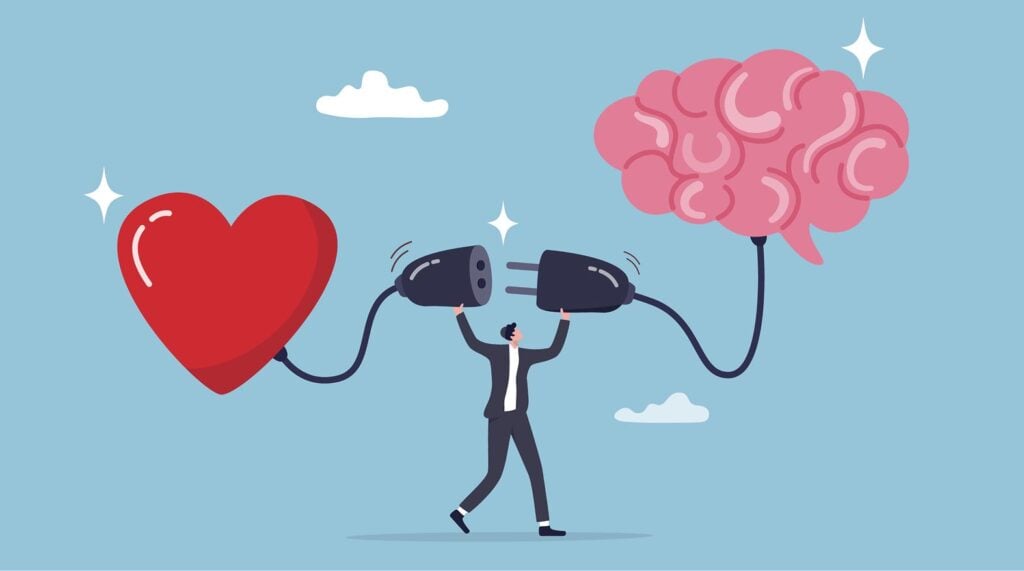
Emotional intelligence refers to the ability to recognize, understand, manage, and effectively use emotions—both your own and others’. Emotional intelligence is a crucial skill that affects every area of life.
Emotional intelligence includes five key components:
The excellent news is that emotional intelligence can be developed and strengthened at any age through practice, reflection, and intentional effort.
Read each statement and consider how true it has been for you over the past month. Select the response that most accurately reflects your experience.
1 of 20
Disclaimer: This assessment is for educational and self-reflection purposes only. This quiz is not a diagnosis—just a tool to help you better understand your thought patterns. This is not a clinical evaluation, diagnostic tool, or substitute for professional psychological services. Results are meant to encourage self-awareness and personal development.
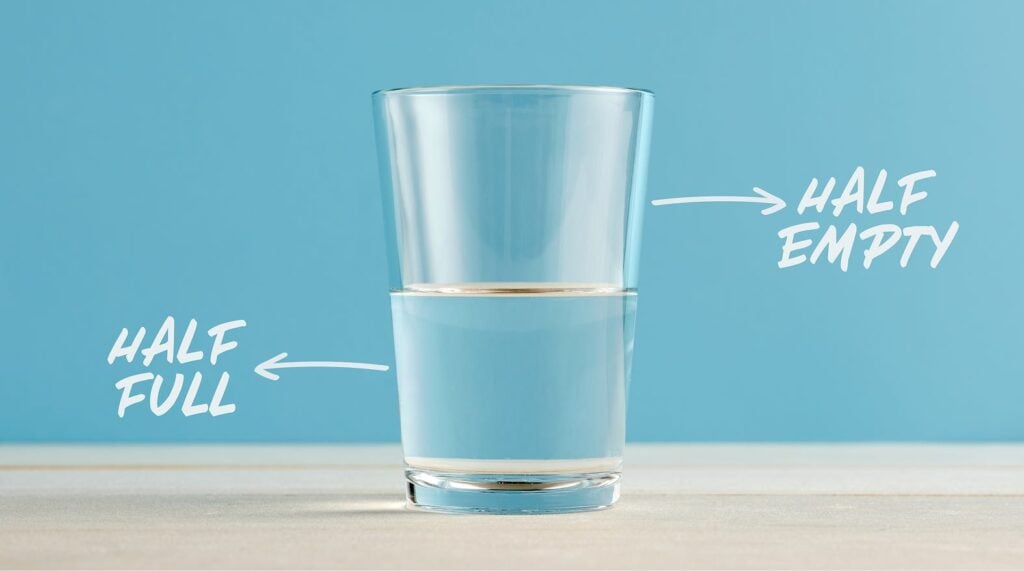
Optimism refers to the general tendency to expect positive outcomes and view challenges as temporary and manageable. It’s not about ignoring reality or pretending problems don’t exist—rather, it’s about how we interpret setbacks, attribute causes to events, and maintain hope for the future.
Read each statement and consider how well it describes your typical thought patterns and reactions to life events. Select the response that most accurately reflects how you usually think, not how you believe you should think.
1 of 18
Disclaimer: This assessment is for educational and self-reflection purposes only. This quiz is not a diagnosis—just a tool to help you better understand your thinking pattern. This is not a clinical evaluation, diagnostic tool, or substitute for professional psychological services. Results are meant to encourage self-awareness and personal development.
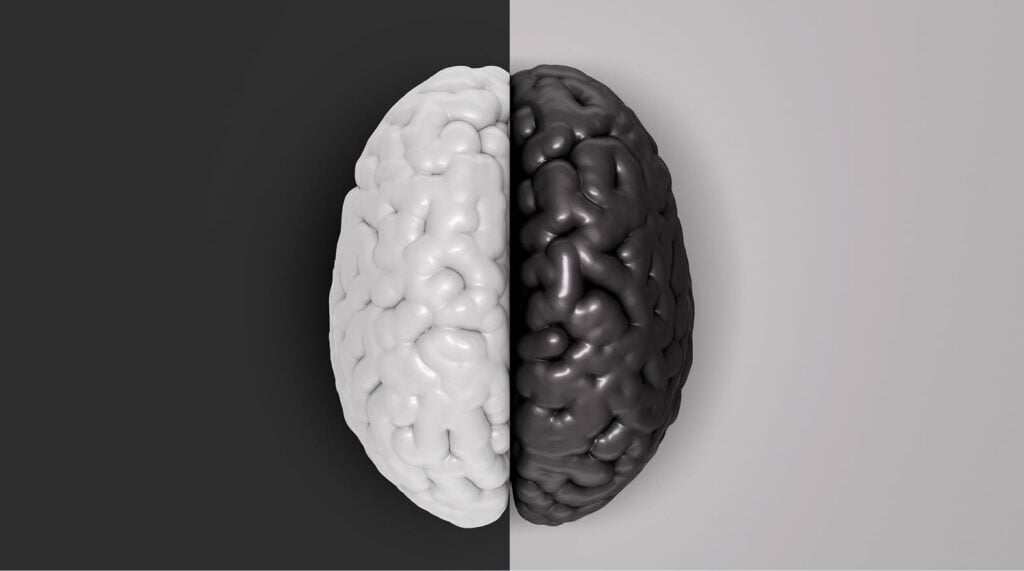
All-or-nothing thinking, also known as black-and-white thinking, is a cognitive pattern where situations are viewed in extremes without recognizing middle ground. People with this thinking style see things as either perfect or terrible, success or failure, right or wrong—with no spectrum in between. Most people experience some all-or-nothing thinking, especially during stressful periods. The key is developing awareness of these patterns and building more balanced perspectives that align with life’s natural complexity.
Read each statement and consider how well it describes your typical thought patterns. Select the response that most accurately reflects how you usually think, not how you believe you should think.
1 of 15
Disclaimer: This assessment is for educational and self-reflection purposes only. This quiz is not a diagnosis—just a tool to help you better understand yourself. This is not a clinical evaluation, diagnostic tool, or substitute for professional psychological services. Results are meant to encourage self-awareness and personal development.
Social support refers to the network of relationships that provide emotional comfort, practical assistance, and a sense of belonging in your life. Strong social connections are one of the most powerful predictors of physical health, mental wellbeing, and overall life satisfaction.
Social support includes several dimensions:
Understanding your current level of social support helps you identify whether your relationship needs are being met and where you might benefit from building stronger connections.
Read each statement and consider how true it has been for you over the past month. Select the response that most accurately reflects your experience.
1 of 20
Disclaimer: This assessment is for educational and self-reflection purposes only. Created by a licensed psychologist for personal insight and growth. This is not a clinical evaluation, diagnostic tool, or substitute for professional psychological services. Results are meant to encourage self-awareness and personal development.
Attachment theory, developed by John Bowlby and Mary Ainsworth, describes how our early relationships with caregivers shape our expectations and behaviors in close relationships throughout life. These patterns, known as attachment styles, influence how we connect with others, handle intimacy, manage conflict, and respond to relationship stress.
The primary attachment styles include secure attachment, where people feel comfortable with intimacy and independence; anxious attachment, characterized by worry about availability and abandonment; avoidant attachment, marked by discomfort with closeness and preference for independence; and patterns that show characteristics of multiple styles.
Your attachment style isn’t fixed—it can change over time through new relationship experiences, personal growth, and intentional work. Understanding your attachment patterns helps you recognize automatic reactions in relationships and develop healthier ways of connecting with others.
Read each statement and consider how well it describes your typical thoughts, feelings, or behaviors in close relationships. Select the response that most accurately reflects your usual patterns in relationships, not how you wish you were.
1 of 18
Disclaimer: This assessment is for educational and self-reflection purposes only. This quiz is not a diagnosis—just a tool to help you better understand yourself. This is not a clinical evaluation, diagnostic tool, or substitute for professional psychological services. Results are meant to encourage self-awareness and personal development.
Anger is a natural, universal emotion that serves important functions—it alerts us to injustice, boundary violations, and unmet needs. However, how we express and manage anger significantly impacts our relationships, health, and overall wellbeing.
Anger exists on a spectrum and can manifest in different ways:
Healthy anger management doesn’t mean never feeling angry—anger itself isn’t the problem. The good news is that anger management skills can be learned at any age, and improvement is possible with awareness, practice, and sometimes professional support.
Read each statement and consider how often this describes your experience with anger. Select the response that most accurately reflects your typical patterns.
1 of 10
Disclaimer: This assessment is for educational and self-reflection purposes only. This quiz is not a diagnosis—just a tool to help you better understand yourself. This is not a clinical evaluation, diagnostic tool, or substitute for professional psychological services. Results are meant to encourage self-awareness and personal development.
When faced with perceived threats or stressful situations, our nervous system automatically activates stress responses that affect how we think, feel, and behave. Stress reactivity refers to how strongly and quickly your body and mind respond to stressful situations. Understanding your stress response patterns helps you recognize when your reactions are proportional to situations versus when your nervous system may be overreacting. With this awareness, you can develop strategies to regulate your stress response and respond more intentionally to challenges.
Read each statement and consider how well it describes your typical reactions to stressful or challenging situations. Select the response that most accurately reflects how you usually respond, not how you believe you should respond.
1 of 18
Behind the Faces content is for informational and educational purposes only. Our website is not intended to be a substitute for professional medical advice, diagnosis, or treatment. Copyright ©2026 Behind The Faces, all rights reserved.
Website design by The Anelis Group. Developed & Powered by Webisserie
This site is protected by reCAPTCHA and the Google Privacy Policy and Terms of Service apply.