


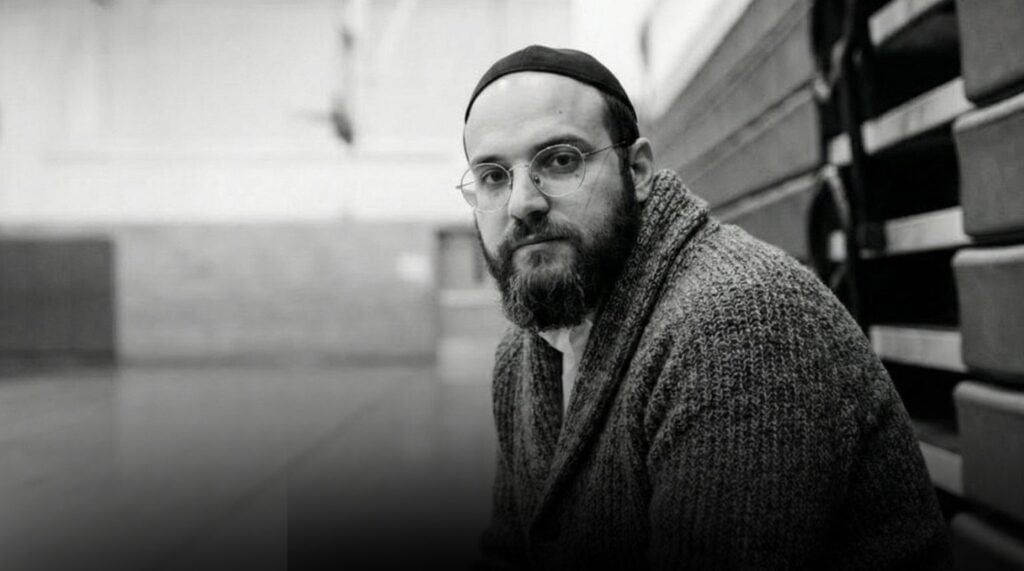
The Psychology of Negative Thinking
There is a voice most of us know too well. It appears just before we walk into a room full of people, just after…
 Read the article


Powered by Shimi and Huvi Jacobovits
I didn’t plan on talking about it.
That’s the thing.
I wasn’t trying to make a statement.
I wasn’t trying to be “brave.”
I was just answering a question.
We were on a panel.
Someone asked how we deal with pressure.
Everyone gave thoughtful, normal answers.
Then it was my turn.
And I said, “I’m going to tell you something personal.”
The room went quiet.
I told them about the first time it happened.
It was after a Shabbaton. The following Shabbos I was called up for an aliyah. Nothing unusual. But as I stood there, holding the Torah, the room started spinning. My heart was pounding so hard I was convinced something was wrong. My chest tightened. I couldn’t breathe. I honestly thought I was having a heart attack.
I somehow finished the bracha.
I went home and told my wife.
Neither of us knew what to make of it.
A week later I was scheduled to speak at a shul.
As soon as I stood up, the same thing hit me again.
The walls closed in.
My breath disappeared.
My heart raced.
Then I flew to Florida for another Shabbaton.
Right before I was supposed to speak, I locked myself in the bathroom. I was crying. My fever spiked. My heart was racing. I couldn’t catch my breath. I texted my wife from the bathroom because I honestly didn’t know how I was going to walk out there.
I went up to the rabbi and told him I didn’t feel right.
He looked at me and said, “What’s wrong with you?”
I stood up to speak and said, “Everyone, I’m having a panic attack.”
They laughed.
They thought I was joking.
I wasn’t.
I pushed myself through that Shabbos holding onto Hashem the entire time.
When I got home, I finally called my doctor.
He told me, very simply:
“You have anxiety. You need help.”
So I got help.
I started medication.
And slowly, I began to understand what had been happening to me.
When I finished telling this on the panel, I looked at the crowd and said something that felt obvious to me but apparently wasn’t obvious to anyone else:
“If you have anxiety, you’re not crazy.
There is nothing wrong with you.
Please don’t suffer with this.
Go get help.”
Then something happened that I didn’t expect.
After the panel, people lined up.
One by one.
Men. Women. Young. Old.
“My mother has it.”
“My husband has it.”
“I have it.”
“My daughter has it.”
“My father.”
“My brother.”
It was like everyone had been holding their breath for years and suddenly they were allowed to exhale.
Later that day I received an email from a doctor who had been in the audience.
He wrote:
“On behalf of all those who suffer from anxiety and panic in our community, I want to thank you. In your one act of self-disclosure, you did more to promote mental health than any therapist could in a lifetime.”
I just sat there reading that.
Because to me, I hadn’t done anything dramatic.
I had just told the truth.
The truth is: so many of us are walking around terrified of our own minds.
Terrified of being labeled.
Terrified of what people will think.
Terrified that if we admit we’re struggling, it somehow means we’re broken.
And the cost of that silence is enormous.
I’ve watched people suffer for years when help was right there.
I’ve seen marriages crack, families strain, children grow up inside emotional storms that could have been calmed so much earlier.
All because we’re scared of the word “help.”
Let me say this clearly.
Your rabbi is your spiritual guide.
Your rebbetzin is your support.
Your friends and family are your foundation.
But a therapist is a tool.
Medication can be a tool.
They are not your life.
They are part of your healing.
You don’t stay on crutches forever.
You use them until you’re strong enough to walk again.
This generation is facing challenges our parents and grandparents never had to face.
Trauma stacked on trauma.
A world built on constant stimulation and pressure.
No one was designed to live like this.
There is no shame in needing support.
The shame is in watching people drown when we could have thrown them a rope.
If something in your mind is stealing your peace, your sleep, your ability to live fully…
please don’t carry it alone.
There is no heroism in suffering quietly.
There is only unnecessary pain.
And you deserve better than that.

There is a voice most of us know too well. It appears just before we walk into a room full of people, just after…
Read the article
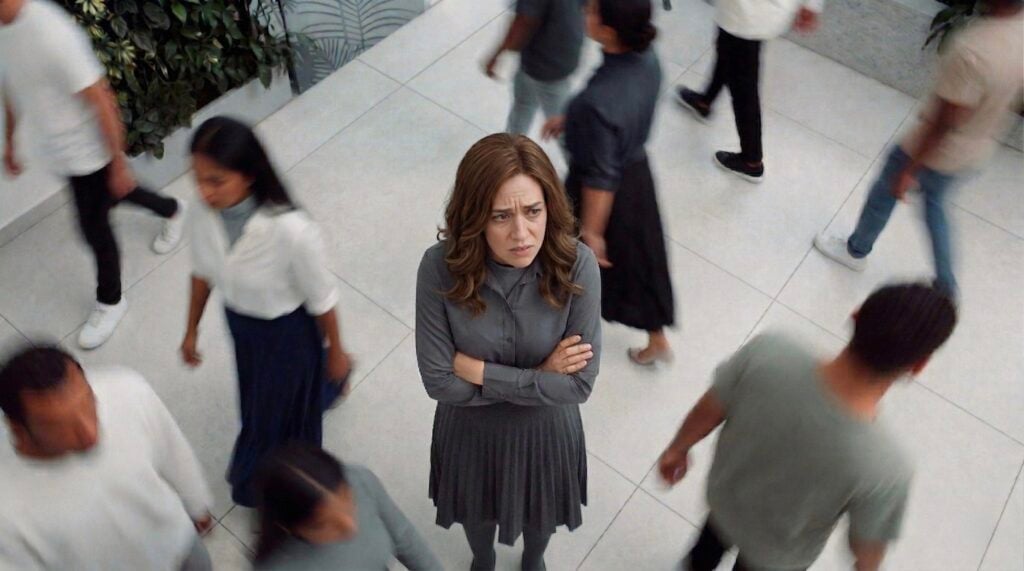
There is a moment many people know all too well. An invitation arrives for a party, work event, or some type of casual get-together.…
Read the article

Friendships are rarely simple, and the ones that have lasted years are the least simple of all. There’s shared history, genuine affection, and often…
Read the article
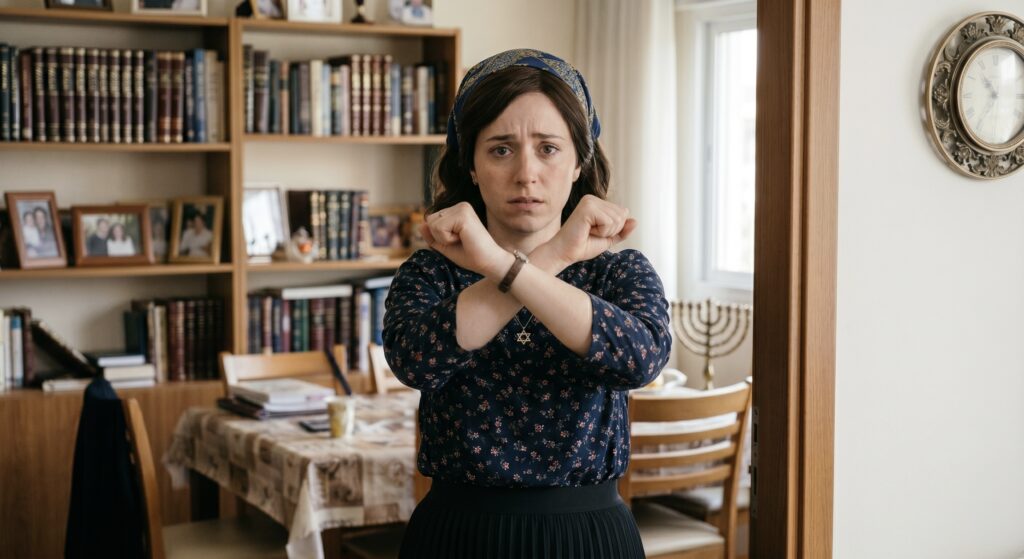
A woman in her late thirties described it this way to her therapist: she had agreed to coordinate a community event, host Shabbos guests…
Read the article
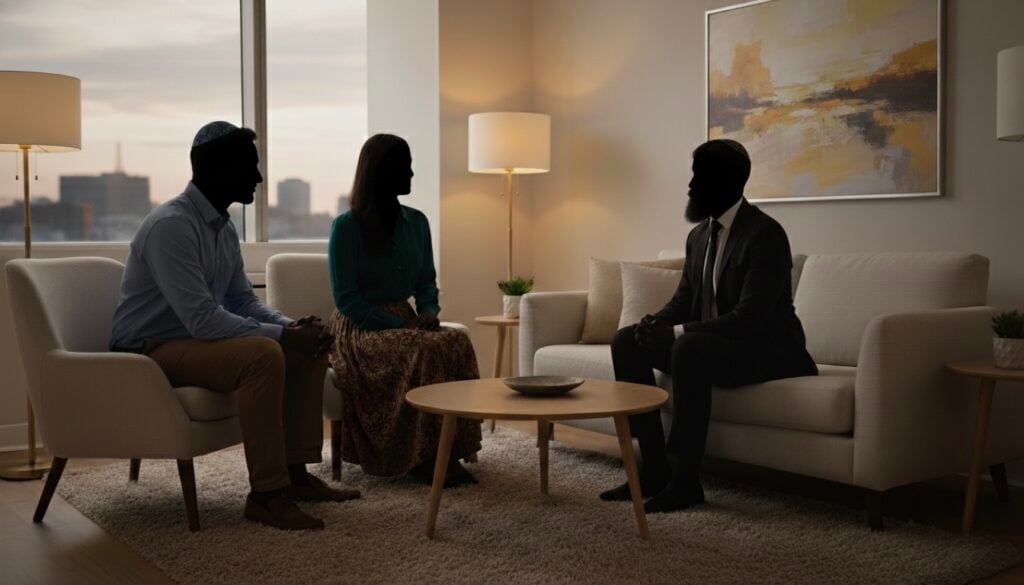
The Role of Premarital Counseling When you’re dating, it’s easy to imagine that the person you eventually choose to marry will naturally understand you,…
Read the article

A researcher named Tali Sharot has spent much of her career studying what she calls the “optimism bias,” the human tendency to overestimate how…
Read the article