



The What’s and Why’s of Attachment Styles
There is a particular kind of ache that can settle into the space between two people who love each other but cannot seem to…
 Read the article


Powered by Shimi and Huvi Jacobovits
Roughly one in four pregnancies ends in loss. That statistic is staggering, and yet most women who experience miscarriage say they felt completely alone when it happened to them. The gap between how common pregnancy loss is and how rarely it gets talked about creates a painful contradiction: millions of women share this experience, but almost none of them feel permission to grieve it openly.
Part of the reason is timing. Many losses occur before a pregnancy has been announced, which means the grief arrives without any framework of support. There are no cards, no meals dropped off, no acknowledgment from the outside world that something significant has happened. And in communities where large families are the norm and pregnancy is expected, the isolation can feel even sharper. When it seems like everyone around you conceives easily and carries to term, a loss can start to feel like a personal failing rather than the medical reality it is.
From the moment a pregnancy is confirmed, the brain begins building a future. Due dates get calculated. Names get considered. A mental picture of the family shifts to include this new person. When a pregnancy ends, all of those projections collapse at once. The grief is real even if it was “early,” even if no one else knew.
What makes pregnancy loss uniquely difficult is the absence of shared reference points. There is no funeral, no obituary, often no physical evidence that this person existed at all. A woman may return to work days later, smile through conversations, and carry on as though nothing has changed, because explaining feels impossible and the language for this kind of loss barely exists.
Grief after pregnancy loss rarely follows a predictable path. Profound sadness can give way to unexpected anger, jealousy toward pregnant friends, or guilt about things done or left undone. Some women feel numb, going through the motions while feeling disconnected from everyone around them. Others are surprised by moments of relief, particularly if the pregnancy was complicated or the news came during a difficult season of life.
All of these responses are normal. Grief is a constellation of feelings that shift and change, sometimes within the same hour. There is no “correct” emotional response to pregnancy loss, and the expectation that sadness should be the only feeling often adds a layer of shame on top of an already painful experience.
The body grieves on its own timeline, too. Hormones drop suddenly, triggering mood swings and physical symptoms that feel like cruel reminders. Some women continue to feel pregnant for days after a loss. This disconnect between physical reality and emotional processing can make the grief feel relentless and disorienting.
Let yourself grieve fully. The pressure to “move on” can come quickly, sometimes from well-meaning family members who do not understand that grief operates on its own timeline. This loss deserves acknowledgment. Some women find comfort in creating rituals: planting something in the garden, lighting a candle on significant dates, or simply naming what happened out loud. Others need to process privately. There is no single right approach.
Set boundaries around painful comments. People will say unhelpful things. “At least you know you can get pregnant.” “Everything happens for a reason.” These comments usually come from discomfort rather than cruelty. People reach for clichés when they do not know what to say. A simple response like, “I am not ready to talk about next steps yet,” can redirect a conversation without requiring anyone to manage someone else’s discomfort while actively grieving.
Know when to seek support. Grief after pregnancy loss can sometimes develop into clinical depression. Professional support is worth considering if persistent hopelessness lasts more than a few weeks, if daily functioning becomes difficult, if withdrawal from relationships deepens, or if intrusive thoughts about the loss will not quiet down. Reaching out for help is not a sign of weakness. It is a recognition that some losses are too heavy to carry alone.
Healing does not mean forgetting. It does not mean “moving on” as though nothing happened. It means learning to carry the loss as part of a larger story while also making room for hope and joy to return in their own time.
A woman who has experienced pregnancy loss has been through something significant, both physically and emotionally. That loss deserves acknowledgment, compassion, and space. Grief after pregnancy loss is evidence of love. And love, even for someone who was never held, is always worth honoring.
This article is for informational purposes only and is not a substitute for professional medical advice, diagnosis, or treatment.

There is a particular kind of ache that can settle into the space between two people who love each other but cannot seem to…
Read the article

The Role of Premarital Counseling When you’re dating, it’s easy to imagine that the person you eventually choose to marry will naturally understand you,…
Read the article

Here is a question worth asking: when was the last time you felt completely heard by another person? Not half-heard while they scrolled their…
Read the article

Watch the recording from Ray of Hope’s community conversation about healing, hope, and emotional health. This panel was facilitated by different community leaders and…
 Watch Now

The wounds we ignore Emotional injuries are remarkably common. Rejection, failure, loss, and other challenging experiences, can affect us on a regular basis. The…
Read the article
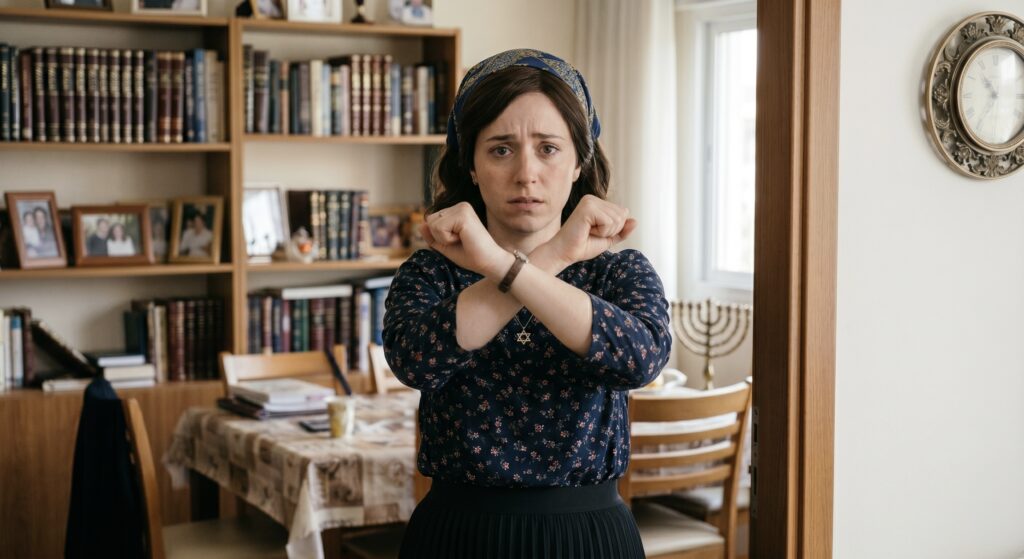
A woman in her late thirties described it this way to her therapist: she had agreed to coordinate a community event, host Shabbos guests…
Read the article