


The What’s and Why’s of Social Anxiety
Social anxiety is one of the most prevalent anxiety-related experiences, yet it is frequently misunderstood by both those who live with it and those…
 Read the article


Powered by Shimi and Huvi Jacobovits
Emotional injuries are remarkably common. Rejection, failure, loss, and other challenging experiences, can affect us on a regular basis. The frequency of these events often leads to our struggles flying under our own radar. However, these injuries cause genuine psychological pain that affects our functioning, relationships, and sense of self.
Yet most of us have no framework for treating them.
When you cut your finger, you know exactly what to do because you were taught how to take care of the injury. But when your confidence takes a blow, what does your emotional first aid look like?
You might distract yourself, vent to a friend, or simply wait and hope that the pain fades. Sometimes this works. But often it doesn’t, at least not completely.
Without proper attention, emotional wounds can become infected, spreading their damage far beyond the original injury over time.
Research shows that experiencing emotional pain activates the many of the same regions of the brain as physical pain. The hurt you feel after an emotional injury isn’t imagined, it’s genuine. And genuine injuries deserve and require genuine treatment.
Rejection can damage our fundamental need for belonging. Whether it’s a social snub, a job you didn’t get, or feeling dismissed by someone whose opinion matters to you, rejection can hurt. If left unaddressed, this pain can spiral into broader, unhealthy conclusions about your worth.
First aid for rejection involves reminding yourself of your value and recognizing the relationships where you are accepted. Listing the people who care about you and the communities where you belong can be an effective way to wrap this emotional bandage. Remember, rejection from one source doesn’t define your worth.
Failure can injure our confidence and lead to unhelpful and untrue conclusions about our competence. When someone feels they have failed at something, their mind may amplify the defeat and minimize their capacity to succeed in the future.
An effective counter for this is evaluating the perceived failure from a neutral perspective. What can you learn from this? What would you do differently next time?
Separating your performance from your identity prevents failure from becoming the verdict on who you are.
Rumination is a common symptom of an infected emotional wound, where someone replays the painful event over and over, picking at the injury instead of letting it heal. Rumination fools our mind into feeling productive, like the problem is actually being worked through. When in fact, it often deepens distress and prolongs our emotional recovery.
If you notice yourself stuck in a mental loop, interrupt it deliberately. Distraction isn’t avoidance here, it’s a coping skill. Engage in an activity that requires your full concentration to allow your mind to shift away from the ruminations.
Loneliness can become a chronic challenge if not addressed. Feelings of disconnection can activate false patterns of thinking that make reconnecting with others more difficult. Over time, feelings of disconnection may convince us that others don’t want our company or that reaching out would be burdensome. However, these feelings don’t accurately represent reality.
Challenge these thoughts by taking small social actions even when you don’t feel like it. Send a text. Make a phone call. Show up to a social gathering. Remember, emotions follow actions. So engaging socially comes before feeling social.
Guilt can serve a purpose when it motivates repair, but it becomes toxic when it lingers after you’ve done what you can to make amends. If you’ve apologized sincerely and changed your behavior, continuing to punish yourself doesn’t help anyone. Healthy guilt leads to action, while unhealthy guilt leads to endless self-flagellation. Once you’ve addressed the wrong, practice letting the guilt go.
Pay attention to your emotional state with the same awareness you’d bring to physical symptoms. Notice when you’re wounded. Practice naming what happened and what you’re feeling. Then apply appropriate treatment rather than ignoring the injury or waiting for time alone to heal it.
Some wounds require professional care, just like some physical injuries warrant more than a bandaid. If emotional pain persists and interferes with your daily functioning, despite your self-care efforts, it is appropriate to reach out for help.
Your emotional wounds deserve the same compassion and attention that you’d give to a physical injury. Treating every part of yourself with care can make all the difference.
This article is for informational purposes only and is not a substitute for professional medical advice, diagnosis, or treatment.

Social anxiety is one of the most prevalent anxiety-related experiences, yet it is frequently misunderstood by both those who live with it and those…
Read the article
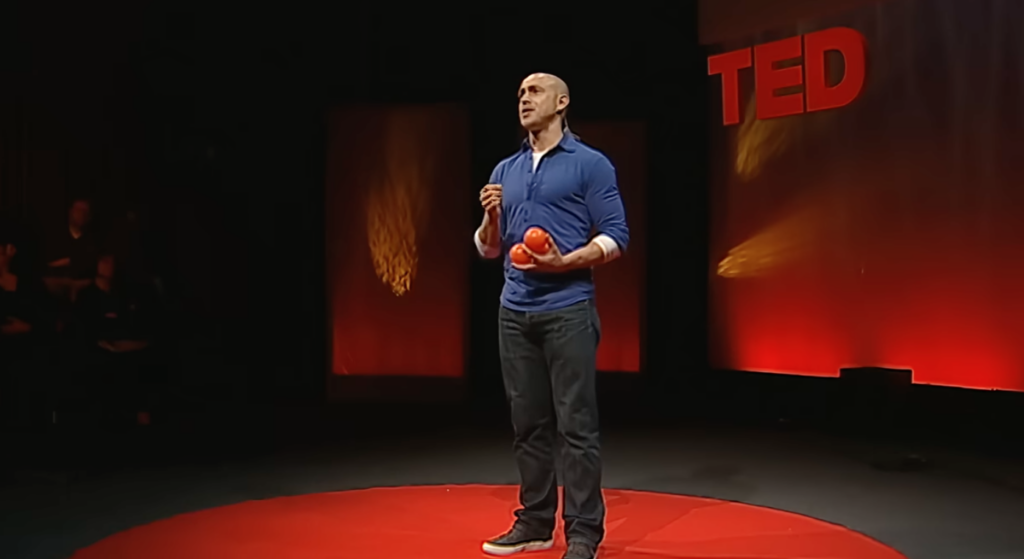
Mindfulness expert Andy Puddicombe asks a simple, yet engaging question. When did you last do absolutely nothing for 10 minutes? In this video, Puddicombe…
 Watch Now

Your heart is pounding so hard you’re certain something is wrong. Your chest tightens, your hands tingle, and suddenly you can’t catch your breath.…
Read the article
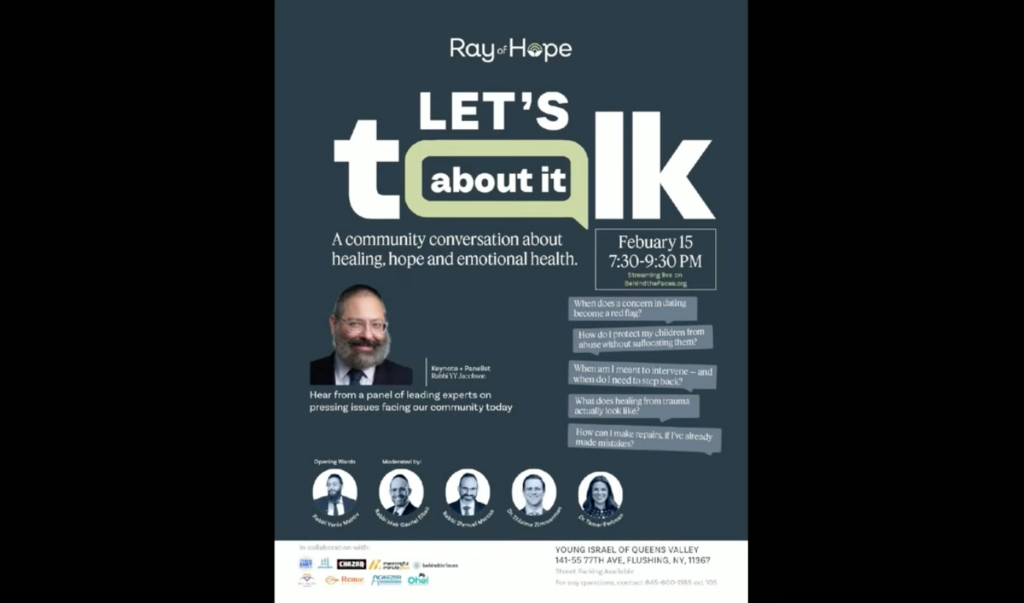
Watch the recording from Ray of Hope’s community conversation about healing, hope, and emotional health. This panel was facilitated by different community leaders and…
Watch Now

A number that should change the conversation Approximately one in five children experiences a mental health challenge significant enough to affect their daily functioning.…
Read the article

Robert Waldinger directs the Harvard Study of Adult Development, which tracked 724 men for 75 years. The clearest finding: good relationships keep us happier…
Watch Now