


The Loneliness Epidemic Doesn’t Take a Vacation
Summer is supposed to be the easy season. Lighter schedules, longer days, more time outside. So why do so many people feel lonelier in…
 Read the article


Powered by Shimi and Huvi Jacobovits
The baby is finally sleeping. You should feel relief, maybe even joy. Instead, you stare at this tiny human you grew inside your body and feel… nothing. Or worse, you feel trapped. The Instagram photos of glowing mothers gazing adoringly at their newborns mock you from your phone screen. Everyone said you’d be overwhelmed with love. No one mentioned you might be overwhelmed with dread, emptiness, or the suffocating weight of a responsibility you suddenly feel unequipped to handle.
This disconnect between what motherhood “should” feel like and what it actually feels like is perhaps the cruelest part of postpartum depression. More than just a mental health condition, you’re dealing with the shame of not feeling the way mothers are “supposed” to feel.
Society sells us a specific version of new motherhood: tired but blissful, challenged but fulfilled, instantly bonded with a baby who completes us. What it doesn’t advertise is that up to 20% of new mothers will experience postpartum depression and anxiety, and many more will struggle with feelings they’re too ashamed to voice.
Nearly 80% of new mothers experience the “baby blues”: a few days of weepiness, mood swings, and feeling overwhelmed that typically peaks around day four or five postpartum and resolves by day ten. This is your body’s normal response to the massive hormonal shifts after birth, combined with exhaustion and the reality of keeping a tiny human alive.
But postpartum depression is different. It’s the baby blues that forgot to leave, instead settling in and expanding like an unwelcome houseguest who’s taken over your entire home. While the baby blues feel like a passing storm, postpartum depression is like living under permanently gray skies.
The key differences lie in timing, intensity, and impact. If you’re still struggling after two weeks postpartum, if your symptoms are getting worse rather than better, or if you’re unable to care for yourself or your baby, you’ve moved beyond typical adjustment into territory that needs support.
When we think of postpartum depression, we picture a crying mother who can’t bond with her baby. But that’s just one possible presentation. Postpartum depression is a shapeshifter that can look like many things.
The Rage Nobody Mentions
You might not feel sad at all. Instead, you feel angry. Furious at your partner for sleeping while you can’t. Enraged at the baby for crying again. Resentful of friends whose lives continue unchanged. This anger feels dangerous and shameful because good mothers aren’t supposed to feel rage. But anger is actually a common symptom of postpartum depression, your overwhelmed nervous system’s way of trying to protect you from demands you can’t meet.
The Numbness That Feels Like Failure
Perhaps more disturbing than sadness or anger is feeling nothing at all. You go through the motions—feeding, changing, soothing—but feel like you’re caring for someone else’s baby. You might look at your child and think, “I know I’m supposed to love you, but I don’t feel anything.” This emotional numbness is your brain’s protective mechanism when overwhelmed by the enormity of your new reality.
The Anxiety That Masquerades as “Good Mothering”
Sometimes postpartum mood shows up as anxiety. You check the baby’s breathing obsessively. You lie awake running through disaster scenarios. You’re convinced something terrible will happen if you’re not vigilant every second. Others might praise your attentiveness, not realizing that your “careful mothering” is actually anxiety so intense it’s stealing your ability to rest or enjoy any moment.
The Physical Symptoms That Feel Like Personal Failure
Your body might manifest depression in ways that feel unrelated to mental health. Chronic headaches, digestive issues, mysterious aches and pains that have no medical cause. You might be unable to eat or unable to stop eating. Sleep becomes impossible even when the baby sleeps, or you can barely stay awake despite sleeping whenever possible.
Understanding why postpartum depression happens can help lift the shame. This isn’t about being weak or ungrateful. It’s about a perfect storm of factors that would challenge anyone’s mental health.
After birth, estrogen and progesterone levels plummet more dramatically than at any other time in life. For context, these hormones drop from their pregnancy peaks to below pre-pregnancy levels within 24 hours. It’s like going through menopause in a single day while also being responsible for keeping a newborn alive.
Add to this the thyroid changes, potential iron deficiency from blood loss, and the inflammation response from delivery (whether vaginal or cesarean), and your body is essentially in crisis mode while society expects you to be glowing with maternal joy.
We know sleep deprivation is used as torture, yet we expect new mothers to function normally on two-hour stretches of broken sleep. Chronic sleep loss doesn’t just make you tired—it fundamentally alters brain chemistry, impairs emotional regulation, and can trigger depression and anxiety in people with no prior history.
Your brain literally cannot process emotions normally when severely sleep-deprived. That feeling of being unable to cope? That’s not weakness. That’s biology.
Becoming a mother isn’t just adding a role to your life—it’s a complete identity reconstruction. The person you were before feels gone, but who you’re becoming isn’t clear yet. You might mourn your pre-baby life while feeling guilty for that mourning. You love your baby while also grieving the freedom you’ve lost.
This identity shift would be challenging under the best circumstances. When you’re also hormonal, exhausted, and potentially dealing with birth trauma or feeding struggles, it can feel impossible to navigate.
Recovery from postpartum depression doesn’t mean “getting back to normal.” That person doesn’t exist anymore. Instead, it’s about finding your way to a new version of yourself who can experience joy again, who can handle the challenges of motherhood without drowning, and who can bond with your baby from a place of wellness rather than obligation.
When you’re in the depths of postpartum depression, elaborate self-care routines feel laughable. Instead, commit to just 15 minutes a day of something solely for you. This might be:
A shower where someone else watches the baby and you’re not rushing. Standing in hot water without listening for cries can feel revolutionary when you’ve been on high alert for weeks.
A walk around the block alone. Fresh air and movement help regulate mood, and the brief separation can paradoxically help you feel more connected to your baby when you return.
A phone call with a friend where you talk about anything except the baby. Remembering you’re a person beyond “mother” is crucial for recovery.
The key is consistency, not perfection. Fifteen minutes daily is more powerful than two hours once a week.
“Sleep when the baby sleeps” is useless advice when depression or anxiety make sleep impossible. Instead, focus on rest rather than sleep. Lie down with an audiobook or guided meditation. Even if you don’t sleep, horizontal rest helps your body recover.
Create a sleep ritual that signals your brain it’s safe to rest. This might be a specific playlist, a lavender pillow spray, or a weighted blanket. Your nervous system needs cues that it can temporarily off-duty.
Most importantly, accept help with night feeds if possible. Whether that’s pumping so your partner can take a feeding, supplementing with formula, or having a family member stay overnight occasionally, protecting some sleep isn’t selfish. It’s medical necessity.
Isolation feeds postpartum depression, but socializing can feel impossible when you’re struggling. Find ways to connect that don’t require you to pretend everything’s fine.
Join online support groups where you can be honest about your experience. Sometimes typing “I hate this” to strangers who understand is more healing than pretending to be okay with friends who don’t.
If in-person interaction feels manageable, find new parent groups specifically for struggling mothers. These aren’t the competitive playgroups where everyone pretends motherhood is easy—these are spaces for real talk about how hard this is.
Seeking professional help for postpartum depression isn’t admitting defeat—it’s choosing recovery. A therapist who specializes in perinatal mental health understands what you’re experiencing and has tools specifically designed for your situation.
Medication might be part of your recovery. Many antidepressants are safe while breastfeeding, and the benefits of a mentally healthy mother far outweigh any minimal risks. Your baby needs you well more than they need breast milk.
Don’t wait until you’re in crisis. If you’ve been struggling for more than two weeks, if you’re having thoughts of harm, or if you simply need more support than friends and family can provide, reach out now.
Recovery from postpartum depression isn’t linear. You’ll have good days where you think you’re better, followed by hard days that make you feel like you’re back at square one. This isn’t failure—it’s the normal pattern of healing.
You might not feel the instant, overwhelming love for your baby that movies promise. That’s okay. Love can grow slowly, built on small moments of connection rather than lightning bolts of emotion. Many mothers who struggle with postpartum depression go on to have beautiful, deeply bonded relationships with their children.
Your worth as a mother isn’t measured by how naturally motherhood comes to you. It’s not determined by whether you breastfeed or formula feed, whether you felt instant love or gradual affection, whether you struggled or sailed through. Your worth is inherent, unchanged by how hard this transition has been.
Here’s what you need to know: feeling depressed, anxious, angry, or numb doesn’t make you a bad mother. Having thoughts about running away doesn’t mean you will. Needing medication or therapy doesn’t mean you’re weak. Struggling with motherhood doesn’t mean you don’t love your baby.
You’re allowed to find this hard. You’re allowed to miss your old life. You’re allowed to need help. You’re allowed to recover at your own pace.
Postpartum depression tells lies—that you’ll always feel this way, that your baby would be better off without you, that you’re failing at the most natural thing in the world. These are symptoms speaking, not truth.
The truth is this: with support, treatment, and time, you will feel like yourself again. Not your old self—that person has evolved. But a new version who knows her own strength, who has survived one of the hardest transitions possible, and who can find joy in motherhood even if it arrived differently than expected.
You’re not alone in this struggle, even when it feels like you are. You deserve support. You deserve recovery. And despite what your brain might be telling you right now, you deserve to be your baby’s mother, not in spite of your struggles, but as the whole, complex, healing person you are.
Reach out. Speak up. Hold on. Joy might be absent right now, but it hasn’t abandoned you forever. It’s waiting on the other side of support, treatment, and healing. You just need to take the first step toward finding it again.
If you remember nothing else from this article, remember these crucial points:
You’re allowed to find motherhood hard. You’re allowed to miss your old life. You’re allowed to need help. What you’re experiencing isn’t a reflection of your worth as a mother—it’s a treatable condition that will get better with support. Reach out today, even if it’s just one small step. Joy is waiting on the other side of healing.
For specific medical advice about your situation, please consult with your healthcare provider. If you’re experiencing symptoms of postpartum depression, help is available:
Postpartum Support International Helpline: 1-800-944-4773
Available for calls and texts. You can also text “HELP” to 800-944-4773 (EN) or 971-203-7773 (ES)
Tikvaseinu: tikvaseinu.org (845)827-9009
Tikvaseinu provides compassionate support, education, and resources to women navigating perinatal mood and anxiety disorders.
Yad Rachel Website: yadrachelnj.org
Provides support and resources for families dealing with pregnancy and postpartum challenges.
This article is for informational purposes only and is not a substitute for professional medical advice, diagnosis, or treatment.

Summer is supposed to be the easy season. Lighter schedules, longer days, more time outside. So why do so many people feel lonelier in…
Read the article
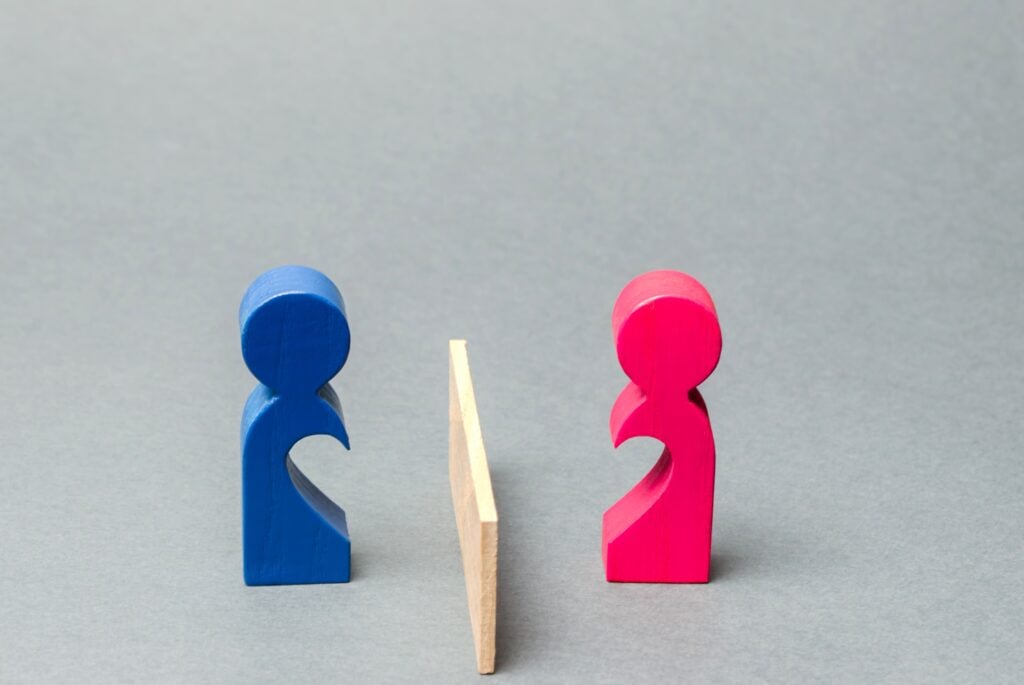
Dating can carry a great deal of pressure. You’re trying to get an accurate sense of who the other person is, while also trying…
Read the article
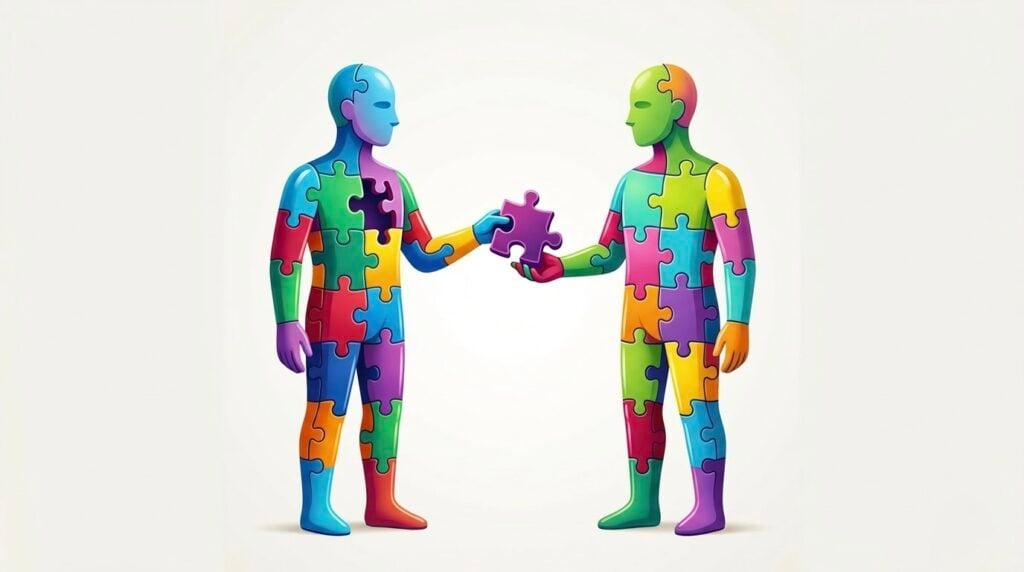
Most people who struggle with people-pleasing don’t think of themselves as people-pleasers. They think of themselves as considerate, or easy to get along with.…
Read the article

Friendships are rarely simple, and the ones that have lasted years are the least simple of all. There’s shared history, genuine affection, and often…
Read the article

There is a voice most of us know too well. It appears just before we walk into a room full of people, just after…
Read the article

The habit cycle you already know The people who successfully maintain good habits don’t have more willpower than you do. They’ve figured out how…
Read the article