


When Social Situations Feel Like Survival Tests
There is a moment many people know all too well. An invitation arrives for a party, work event, or some type of casual get-together.…
 Read the article


Powered by Shimi and Huvi Jacobovits
Psychologist Guy Winch argues we practice better dental hygiene than emotional hygiene—we brush our teeth daily but do nothing to maintain psychological health. He covers common emotional injuries: loneliness, failure, rejection, and rumination. He explains how psychological wounds are as real as physical ones and deserve equal attention.

There is a moment many people know all too well. An invitation arrives for a party, work event, or some type of casual get-together.…
Read the article

Procrastination is a challenging experience that so many of us are all too familiar with. Different tasks and projects in our lives can get…
Read the article

A Different Time If you’ve listened to any news stations recently, you may have heard the phrase “we’re living in unprecedented times.” Everywhere we…
Read the article
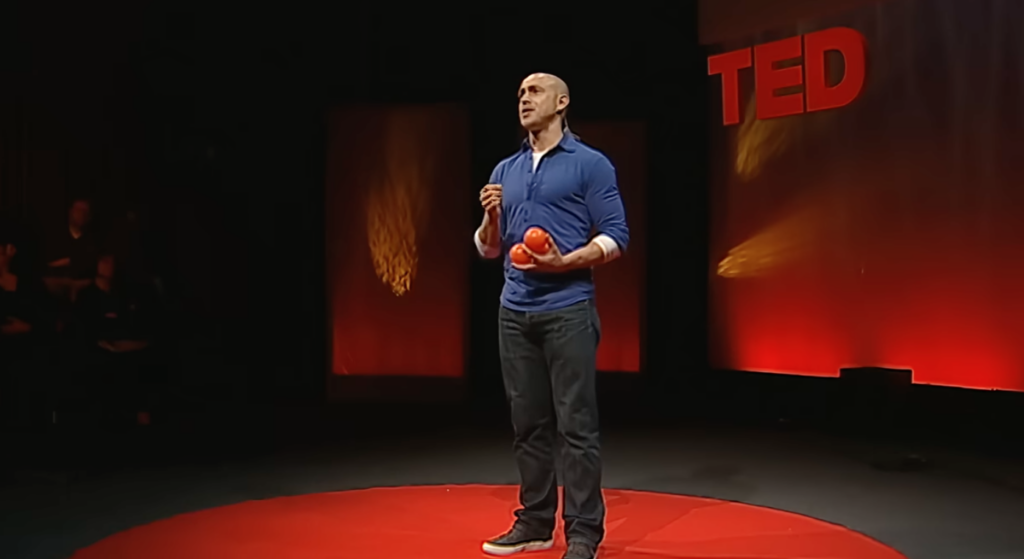
Mindfulness expert Andy Puddicombe asks a simple, yet engaging question. When did you last do absolutely nothing for 10 minutes? In this video, Puddicombe…
 Watch Now

Summer is supposed to be the easy season. Lighter schedules, longer days, more time outside. So why do so many people feel lonelier in…
Read the article
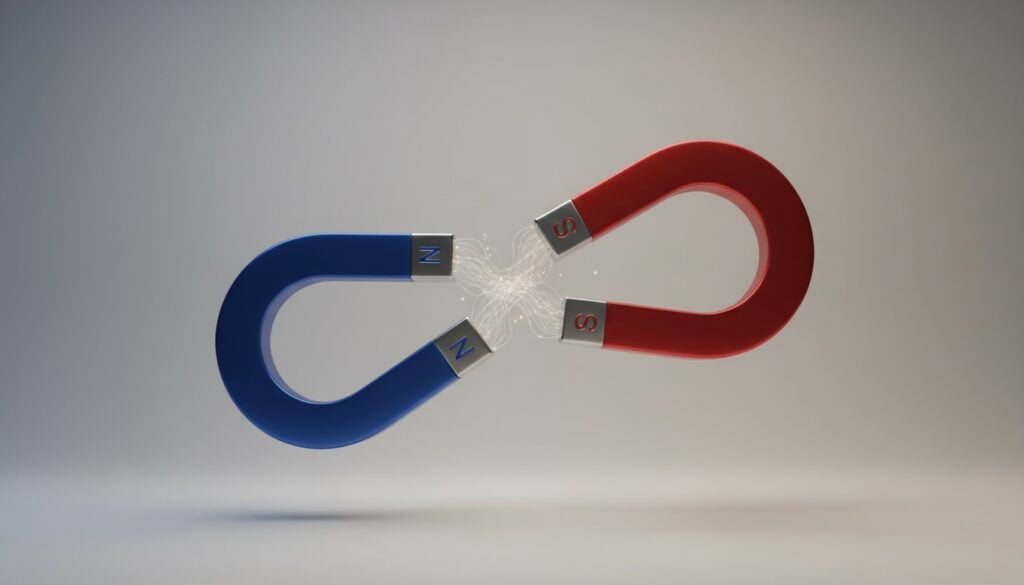
Everyone has a way they naturally connect with people, how comfortable they feel being close, how they handle conflict, and how they respond to…
Read the article