


Why Does Everyone Else Seem to Have It Together?
The Math We Do in Other People’s Kitchens There is a particular kind of arithmetic that happens at social gatherings; quick, involuntary, and almost…
 Read the article


Powered by Shimi and Huvi Jacobovits
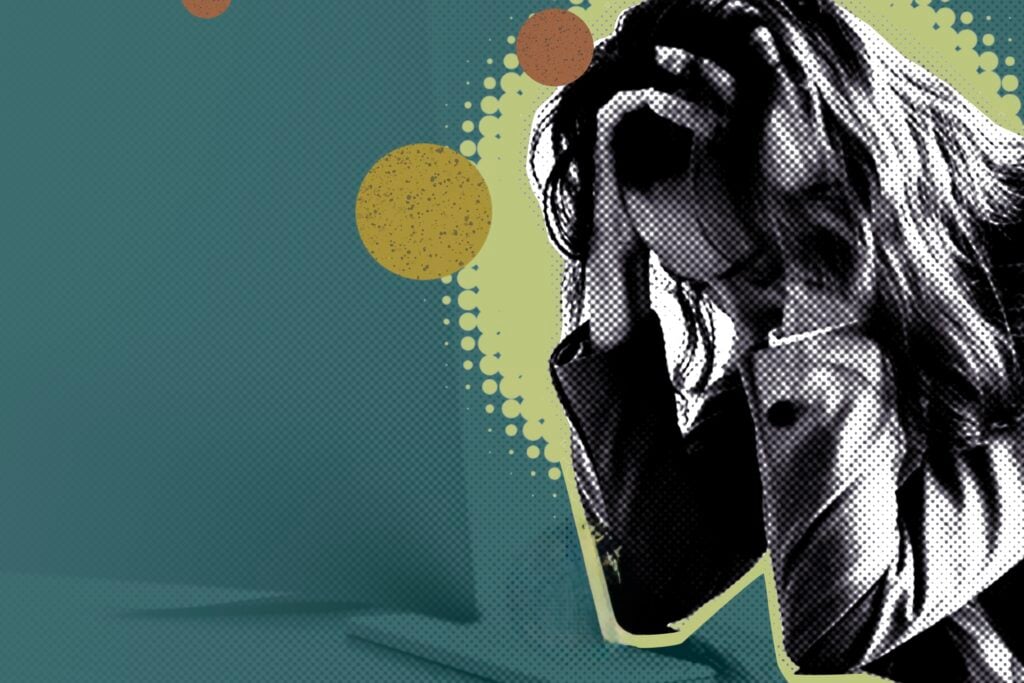
Your heart is pounding so hard you’re certain something is wrong. Your chest tightens, your hands tingle, and suddenly you can’t catch your breath. You’re convinced you’re having a heart attack or losing your mind. Ten minutes later, it’s over, leaving you shaken and wondering what just happened.
If you’ve experienced this terrifying surge of physical symptoms that seemed to come out of nowhere, you’ve likely had a panic attack. And while it may have felt like a medical crisis, understanding what’s actually happening can be the first step toward taking back control.
If panic attacks have left you feeling like something is uniquely wrong with you, here’s some reassurance: studies suggest that up to 35% of people will experience at least one panic attack during their lifetime. Despite how isolating panic attacks feel, they’re among the most common and most treatable mental health concerns.
Many people suffer in silence because they’re embarrassed or afraid others won’t understand. But the person sitting next to you at work, in your community, or at your Shabbos table may have experienced the same racing heart and gasping breaths, and found their way through it.
Anxiety and panic attacks are often discussed interchangeably, but they’re distinct experiences. General anxiety is like a low simmer: you might feel worried or on edge for hours or days. The feeling is uncomfortable but manageable, and typically connects to identifiable concerns.
Panic attacks are something else entirely. They’re sudden, intense surges that peak within minutes and feel completely overwhelming. Your body launches into emergency mode, flooding you with adrenaline. The problem? There’s no danger present, just an overactive alarm in your nervous system.
During a panic attack, your nervous system activates as if you’re facing an in person threat. Your heart races, you breathe rapidly, blood flows away from your extremities causing tingling and numbness, and your digestion shuts down, creating nausea.
These sensations are so intense that most people experiencing their first panic attack end up in the emergency room. When tests come back normal, the relief is mixed with confusion: if nothing is medically wrong, why did your body react so intensely?
The answer lies in your brain’s threat detection system. Sometimes it misfires, interpreting normal sensations as dangerous. The symptoms themselves become frightening, which amplifies the panic in a feedback loop that feels impossible to escape.
The instinct during a panic attack is to fight it, to stop the symptoms through sheer willpower. This almost always backfires because resistance increases tension, which intensifies the panic. The most effective response is counterintuitive: allow the panic to be present without trying to control it.
Remind yourself that panic attacks, while terrifying, are not dangerous. Your body is responding to an overactive alarm, and the alarm will shut off on its own, typically within 10 to 20 minutes.
Focus on slow, steady breathing, particularly extending your exhale. Place your feet firmly on the ground and notice the sensation. Name what’s happening: “This is a panic attack. It will pass.” These anchors interrupt catastrophic thoughts and signal safety to your brain.
If panic attacks have become a recurring part of your life, highly effective treatments exist. Cognitive behavioral therapy can help you understand and change the thought patterns that fuel panic, while teaching practical skills to manage symptoms. You don’t have to live in fear of the next attack.
This article is for informational purposes only and is not a substitute for professional medical advice, diagnosis, or treatment.

The Math We Do in Other People’s Kitchens There is a particular kind of arithmetic that happens at social gatherings; quick, involuntary, and almost…
Read the article

Dating can carry a great deal of pressure. You’re trying to get an accurate sense of who the other person is, while also trying…
Read the article

You’ve finally made the appointment. But now you’re imagining yourself lying on a leather couch while a bearded man takes notes and asks about…
Read the article

Procrastination is a challenging experience that so many of us are all too familiar with. Different tasks and projects in our lives can get…
Read the article

Self-compassion can be a challenging subject. Many of us find it so easy to be compassionate for someone else who is struggling. We’d never…
Read the article

Building Self-Worth That Actually Holds In 2009, researchers at the University of Waterloo asked participants with low self-esteem to repeat the phrase “I am…
Read the article