- Why your worst moments in marriage often come from a younger part of yourself, and how recognizing this can transform conflict
- The crucial difference between “you and me” thinking and “us” thinking, and why your nervous system makes this shift so difficult
- How to stay grounded when triggered, so you can respond from wisdom rather than old wounds
Relationships bring out the best and worst in us. Marriage books, conversations with mentors, and even educational classes may not fully prepare someone for the emotional reality of navigating a real adult relationship. This is especially true of newer relationships, where two people are still figuring out life together.
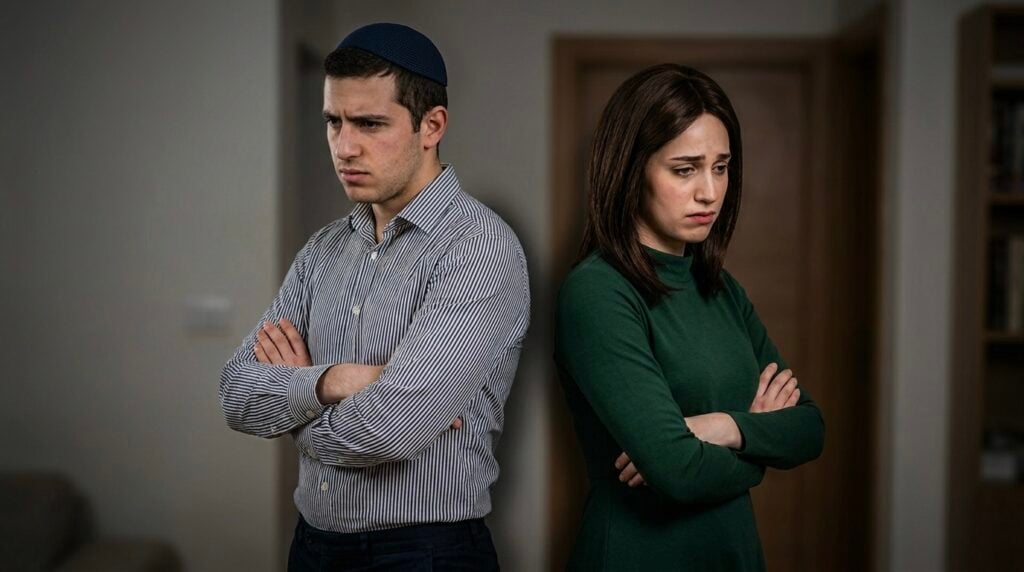
The early years of marriage have a way of revealing parts of ourselves we didn’t know existed. Adults who are otherwise competent in every other area of life find themselves confused and bothered by the way they respond to their spouse during times of arguments. Withdrawing despite a desire to engage in dialogue, experiencing intense emotional shifts, and acting out can be a dysregulating experience for everyone involved.
This isn’t a sign that someone married the wrong person. It’s a sign that intimate relationships carry uniquely high stakes that have a way of activating old patterns.
Why marriage brings out your worst
There’s a reason spousal arguments trigger an otherwise calm and collected couple. The closer someone is to us, the more power they have to touch our deepest fears of rejection, inadequacy, or abandonment. Your coworker’s criticism might sting, but your spouse’s disappointed sigh can feel like a verdict on your entire worth.
When we feel threatened, even by something as minor as an irritated tone, our nervous system responds as if we’re in danger. The mature, thoughtful part of our brain goes offline, and older survival strategies take over. Maybe you learned as a child to withdraw when things got tense, or to fix everyone’s problems to keep the peace, or to fight back before you could be hurt. These responses made sense once to help a child feel safe in navigating their environment.
The real issue arrises when these conflict navigation strategies show up automatically in marriage, taking away the opportunity to choose a healthy response. These reactions are not to our current spouse. Rather, these reactions stem from a younger place, relying on tools and strategies from an entirely different time in our lives.
Shifting from “you versus me” to “us”
Therapist Terry Real, who has worked with couples for decades, describes one of the most important skills in marriage as the shift from “you and me” consciousness to “us” consciousness. When we’re triggered, we lose the ability to hold the whole relationship in mind. Everything becomes adversarial, zero-sum, about winning or protecting ourselves.
But marriage is supposed to be a shared ecosystem both spouses live inside. When that ecosystem is polluted with contempt or withdrawal, both parties experience the fallout. There is no “winning” against your spouse because you’re not actually opponents. What harms one harms both.
This perspective shift sounds simple but requires enormous practice. The triggered part of you doesn’t care about the ecosystem. It cares about survival. Learning to pause, breathe, and reconnect to the “us” before responding is the real work of marriage.
Catching yourself in the moment
The work of relationships happens in real time, right when your old patterns want to take over. The question becomes: can you catch yourself before you repeat old patterns?
Catching these patterns requires paying attention to your body’s signals. Notice what emotions and physical sensations come up when small conflict begins. There might be a certain feeling that can act as a warning that your younger is about to take the wheel. Maybe your chest tightens, jaw clenches, or you feel the urge to either attack or disappear. These can be powerful tools.
When you notice the whoosh, you have a choice. You can let the old pattern run the show, or you can take a breath and reach for something more mature. You might even silently acknowledge the fear or hurt without letting it drive your behavior: “I’m feeling defensive right now, but I don’t have to act on it.”
This isn’t about suppressing your feelings. It’s about creating a small gap between the trigger and your response, enough space to choose something different.
Repair matters more than perfection
Changing these patterns doesn’t happen overnight. It may feel simple to understand, but in the heat of an argument, these things are not easy to understand. You may still have moments where you snap, withdraw, and say things you regret. What distinguishes couples who thrive from those who don’t is how quickly and thoroughly they repair after these ruptures.
Repair requires taking responsibility for one’s own behavior without defending or deflecting. It may sound like: “I got triggered and I shut down. That wasn’t fair to you. I’m sorry.” This isn’t a weakness, rather, it’s the willingness to own your part in what went wrong.
The early years of marriage are a training ground for this skill. You’re learning each other’s triggersGlossaryTriggersSpecific situations, people, thoughts, or memories that cause intense emotional reactions or symptoms, particularly in individuals with trauma histories or mental health conditions., discovering your own patterns, and practicing the return to connection over and over again. Every repair builds trust that the relationship can withstand conflict.
Building a marriage that lasts
The couples who make it aren’t those who never get triggered. They’re the ones who keep returning to their mature selves, remembering the “us” even when it’s hard. They are the one’s who can take responsibility for their own reactivity rather than blaming their spouse for causing it.
Be patient with yourself as you learn to navigate this. You’re building capacities that were never modeled for most of us. The ability to stay grounded in intimacy while holding the relationship even when you’re hurting is a challenging but meaningful way to choose connection over self-protection. Doing so allows you to grow individually and together as a couple.
Takeaways
- Your spouse triggers old patterns, not new flaws. The closer someone is to us, the more power they have to activate survival strategies that made sense in childhood but don’t serve your marriage now.
- There is no “winning” against your spouse. Your marriage is a shared ecosystem. What harms one harms both. Shifting from “you versus me” to “us” thinking is the central work.
- Repair matters more than perfection. What distinguishes couples who thrive is how quickly and thoroughly they return to connection after ruptures, not whether ruptures happen.
This article is for informational purposes only and is not a substitute for professional medical advice, diagnosis, or treatment.





 Read the article