


Unmasking Joy During Times of Uncertainty
A Different Time If you’ve listened to any news stations recently, you may have heard the phrase “we’re living in unprecedented times.” Everywhere we…
 Read the article


Powered by Shimi and Huvi Jacobovits
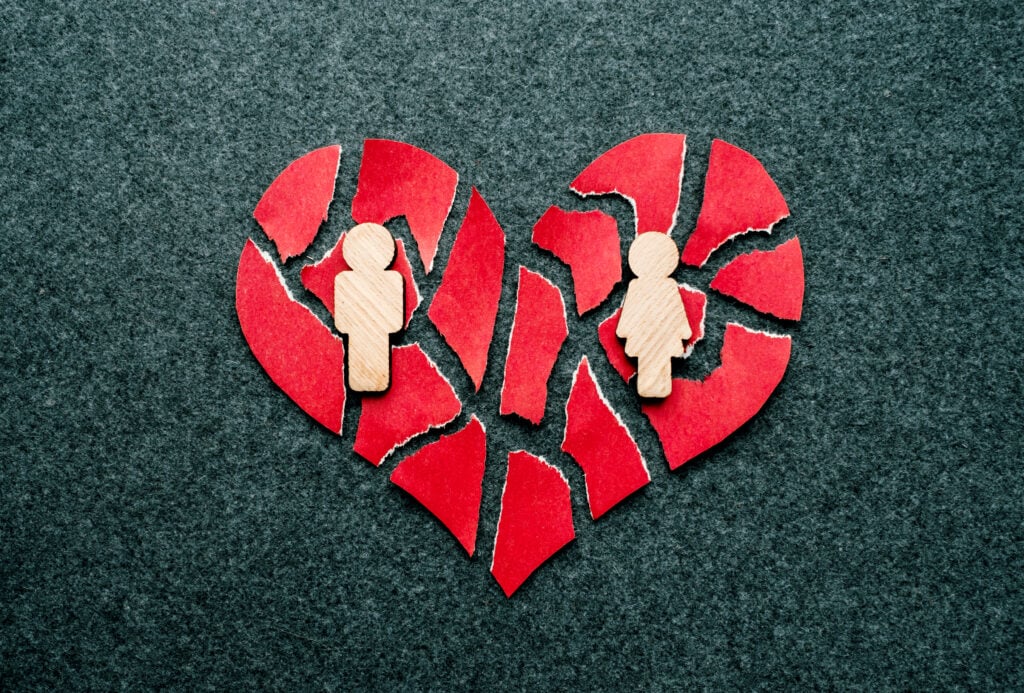
Marriage researchers discovered something that might change how you think about your last argument. The difference between couples who thrive and those who slowly deteriorate is not whether they fight. It’s how they fight and what happens after.
That finding, drawn from decades of research, is genuinely hopeful. It means the quality of your marriage does not depend on achieving some conflict-free ideal. It depends on something far more accessible: whether you can disagree without losing respect for each other, and whether you are willing to come back to each other once the dust settles.
Most recurring arguments are not really about the topic at hand. They follow a deeper pattern. A kind of choreography both partners know by heart, even if neither can name it.
One pursues, the other withdraws. Or both escalate until someone says something that cannot be taken back. Different topic, same dynamic, same feeling of depletion afterward.
Part of what makes this so exhausting is the courtroom quality it takes on. Each person presents evidence for why they are right. Someone wins, someone loses, and the marriage absorbs the damage.
Even when you are genuinely right, proving it rarely brings you closer. Your spouse does not feel more connected after being shown they were wrong. And you are left holding your rightness but feeling more alone. There is often a choice between winning the argument and winning your spouse’s trust, and the shift that helps most couples is moving from “you versus me” to “us versus the problem.”
What makes these fights so painful is that most of the time, both people are telling the truth about their experience. The same interaction can feel completely different depending on which side you are standing on, because we all filter moments through our own history.
The partner who grew up feeling overlooked will register a comment as dismissive that the other partner genuinely did not hear. The partner from a conflict-avoidant home may not understand why their spouse needs to talk things through rather than move on. Neither perspective is invented, and neither is the whole picture.
Sometimes those filters reach back further than we realize. The criticism that devastates you might echo a parent who was never satisfied. The withdrawal that enrages you might replay an abandonment from years ago. Your spouse inadvertently touches these old wounds, and suddenly you are not just responding just to tonight but to everything that tonight reminded you of. Recognizing this does not excuse hurtful behavior, but it changes what the conversation is actually about opening the door to sharing what is really happening inside, rather than just reacting.
How you treat each other during a disagreement matters enormously, but so does what happens once the argument is over. Repair, the act of returning to each other after a rupture and actively mending the connection, is what separates couples who make it from those who do not.
Repair requires humility. It sounds like: “I know I shut down last night. That was not fair to you.” But repair is not only about words. Sometimes it looks like making your spouse a cup of coffee the morning after a hard night, reaching for their hand during a quiet moment, or following through on something small they asked for that often gets forgotten. These gestures communicate something powerful: I am choosing you, even though things are hard between us right now.
What makes repair so powerful is that it does not require both partners to change simultaneously. You cannot change your spouse, only yourself. But one person shifting their part of the pattern often allows everything to move in a different direction.
Advice in this article assumes a relationship where both partners are fundamentally safe, where the conflict is about patterns and miscommunication, not about power and control.
If you feel afraid of your partner’s reactions rather than frustrated by them, find yourself constantly monitoring their mood to avoid an outburst, or if disagreement leads to intimidation or punishment rather than tension that eventually resolves, seeking professional guidance is critical.
Marriage will never be free of conflict. But it can become a place where conflict leads somewhere. When a rupture is followed by repair and two people keep choosing each other even when choosing each other is hard, relationships can truly thrive.
This article is for informational purposes only and is not a substitute for professional medical advice, diagnosis, or treatment.
A Different Time If you’ve listened to any news stations recently, you may have heard the phrase “we’re living in unprecedented times.” Everywhere we…
Read the article

The Math We Do in Other People’s Kitchens There is a particular kind of arithmetic that happens at social gatherings; quick, involuntary, and almost…
Read the article

Procrastination is a challenging experience that so many of us are all too familiar with. Different tasks and projects in our lives can get…
Read the article
What would happen if someone followed you around all day and said out-loud what you say privately to yourself? “You look terrible.” “You’re going…
Read the article

Everyone has a way they naturally connect with people, how comfortable they feel being close, how they handle conflict, and how they respond to…
Read the article

If you asked a hundred people what makes a happy home, you’d likely get answers that mostly involve things: a comfortable couch, a well-stocked…
Read the article