



The Loneliness Epidemic Doesn’t Take a Vacation
Summer is supposed to be the easy season. Lighter schedules, longer days, more time outside. So why do so many people feel lonelier in…
 Read the article


Powered by Shimi and Huvi Jacobovits
David’s phone showed seventeen unread messages as he sat in the shul parking lot after Maariv. A client needed feedback before tomorrow’s board meeting. His daughter’s teacher had emailed about a parent conference. The community chesed committee was asking about his availability for the food drive. His brother wanted to discuss their father’s upcoming surgery. Each message felt urgent, each person had a legitimate need, and somehow he was supposed to respond thoughtfully to all of them while still making it home for dinner.
Sarah closed her laptop for the third time that evening, knowing she’d have to reopen it after her kids went to bed. The work presentation was due Friday, her son needed help with his Hebrew homework, and she’d volunteered to coordinate this month’s Rosh Chodesh gathering. Her husband had offered to help, but he was equally swamped preparing for his own deadlines. The dishes sat unwashed while she tried to return her mother’s call, answer her boss’s “quick question,” and help with math homework simultaneously. Every request felt important, every “no” felt selfish, but every “yes” meant less time for sleep, self-care, or simply breathing.
If you’ve ever felt like you’re running a relay race where you’re the only runner—constantly passing yourself from one urgent demand to the next without ever reaching a finish line—you’re experiencing what millions of others face daily. The weight of multiple responsibilities can leave you feeling capable yet exhausted, successful yet somehow always behind.
From childhood, many of us receive clear messages about what makes a good person: excel at work, be present for your family, serve your community, help those in need, maintain relationships, and somehow do it all with grace. These expectations, often deeply rooted in cultural, religious, or family traditions, create what psychologists call “role overload”—the overwhelming stress of trying to fulfill too many demanding roles simultaneously.
The math seems simple: be a good employee, parent, spouse, child, friend, and community member. But what happens when being “good” at each role requires more hours than exist in a day? When your boss expects availability beyond work hours, your children need help with homework and emotional support, your aging parents require increasing assistance, your spouse needs partnership and connection, your friends need your presence, and your community expects your participation?
You find yourself saying yes to everything because each request, viewed in isolation, seems reasonable and important. But the cumulative effect is crushing. You’re excellent at compartmentalizing each demand, but terrible at seeing the impossible total.
The cruel irony is that in trying to be everything to everyone, you often end up giving everyone a depleted version of yourself. Your kids get the tired, distracted parent checking emails during dinner. Your spouse gets the exhausted partner who falls asleep during conversations. Your work gets someone going through the motions on four hours of sleep.
For those in religious or tight-knit communities, the demands multiply exponentially. You’re expected to attend services, participate in lifecycle events, volunteer for causes, host guests, attend committee meetings, and support community members in need—all while maintaining career success and family stability.
The very institutions meant to provide meaning and connection can become sources of overwhelming obligation when your capacity is already stretched thin. Miss a community event for work and you feel guilty. Skip work for a family obligation and you feel irresponsible. Prioritize either over a friend in need and you feel selfish.
Many of us pride ourselves on being able to “handle it all,” pushing through exhaustion and stress without acknowledging the physical toll. But your body meticulously tracks every late night, every skipped meal, every stress-filled day, even when your mind insists you’re fine.
That chronic tension in your shoulders isn’t just from your desk setup—it’s from carrying the weight of everyone’s expectations. The digestive issues that flare during busy periods, the headaches that coincide with deadline season, the insomnia despite exhaustion—these aren’t coincidences. They’re your body’s increasingly desperate attempts to get your attention.
People who consistently operate beyond their capacity are more likely to experience stress-related health problems. Your immune system weakens when constantly overwhelmed, making you more susceptible to everything from colds to serious conditions.
When you’re perpetually overwhelmed, emotional availability becomes a luxury you can’t afford. You develop what psychologists call “emotional labor fatigue”—you’ve given so much of your emotional energy to managing others’ needs that there’s nothing left for genuine connection.
You master the art of seeming present while mentally running through your endless to-do list. Your family gets the shell of you—physically there but emotionally elsewhere. You respond to their stories with distracted “uh-huh”s while calculating whether you can finish that report after bedtime.
The people closest to you start to feel like they’re living with a very busy stranger. Your children stop sharing the details of their day because they’ve learned you’re always halfway somewhere else. Your spouse gives up trying to have meaningful conversations because they can see you’re overwhelmed.
Perhaps most exhausting of all is the constant guilt. Guilt for working late when your family needs you. Guilt for focusing on family when work is demanding more time. Guilt for missing community events. Guilt for not calling friends back. Guilt for feeling overwhelmed when “others have it worse.”
This guilt creates a vicious cycle: you feel guilty for not doing enough, so you take on more to compensate, which makes you more overwhelmed, which makes you feel more guilty. The guilt itself becomes another demand on your already depleted resources.
Your body often signals overwhelm before your conscious mind acknowledges it. Watch for:
Emotional overwhelm manifests in patterns you might not immediately connect:
Notice shifts in how you interact with the world:
The first step out of overwhelm is challenging the perfectionist standards that got you there. “Good enough” isn’t giving up—it’s strategic resource allocation. Your energy and time are finite resources that deserve the same careful management you’d give to financial investments.
Consider what “good enough” might look like:
Every commitment you make is a choice about how to spend your irreplaceable time and energy. Before saying yes to anything, try asking:
Practice phrases that buy you time:
Boundaries aren’t walls—they’re guidelines that help you show up as your best self. Effective boundaries are:
Every Sunday, spend 20 minutes doing a “life audit”:
Like a financial budget, an energy budget helps you allocate your resources intentionally. Consider your energy in four categories:
Track where your energy goes and whether the allocation matches your values.
Many overwhelmed people are terrible at delegation because it feels easier to “just do it myself.” But delegation is a skill that becomes more valuable as life gets busier.
At work: What tasks could be reassigned to others or automated? At home: What household responsibilities could family members take on? In community: What volunteer roles could be shared or passed to others?
Remember: delegation isn’t dumping—it’s thoughtful redistribution that often gives others opportunities to contribute.
Instead of letting urgent demands drive your schedule, block time for what’s most important:
Treat these blocks as seriously as you would any other important appointment.
“I love you and want to be present for you. I’m feeling overwhelmed by all my commitments, and I want to make some changes so I can be more available for what matters most to us.”
“I’m committed to delivering excellent results. To maintain the quality you expect, I need to be strategic about my workload and protect some boundaries around my schedule.”
“I value being part of this community and want to contribute in ways that are sustainable for my family situation right now. I need to step back from [specific commitment] but remain committed to [core involvement].”
Your children are watching how you handle life’s demands. What are they learning? That being a responsible adult means being constantly overwhelmed? Or that grown-ups make thoughtful choices about how to spend their time and energy?
Model healthy boundary-setting:
Show them that self-care isn’t selfish—it’s strategic maintenance that allows you to show up better for others.
Some signs that overwhelm has crossed into territory requiring professional support:
Consider therapy if you’re struggling to implement boundaries, feel guilty about normal human limitations, or find yourself repeatedly falling into overwhelming patterns despite best intentions. A therapist can help you:
The path out of overwhelm isn’t about becoming someone who cares less—it’s about becoming someone who cares more strategically. You can honor your values and commitments while also honoring your humanity and limitations.
Start small this week:
Remember: you can’t pour from an empty cup. Taking care of yourself isn’t selfish—it’s the foundation that allows you to truly care for others. Your family, work, and community all benefit more from a sustainable, present you than from a depleted, overwhelmed version trying to do everything.
The goal isn’t perfect balance—it’s conscious choices about how to spend your precious, finite resources in ways that align with what matters most to you.
If you remember nothing else from this article, remember these crucial points:
Overwhelm is data, not failure. Feeling constantly behind, exhausted, or stretched thin isn’t a character flaw—it’s information that your current load exceeds your capacity. Listen to this data instead of pushing through it.
“Good enough” is actually good. Perfectionism in an overwhelmed life is the enemy of presence. Your family needs you available more than they need everything perfect. Order pizza and play a board game instead of cooking an elaborate meal while stressed.
Every yes is a no to something else. When you say yes to one more committee, what are you saying no to? Your child’s bedtime story? Date night? Your own health? Start treating your yeses as the finite resources they are.
Guilt is not a reliable guide. Just because you feel guilty saying no doesn’t mean you should say yes. Guilt often signals that you’re protecting something important—your time, energy, or family’s needs.
Your body is keeping score. Those headaches, sleep problems, and constant tension aren’t separate from your overwhelm—they’re symptoms of it. Physical self-care isn’t luxury; it’s maintenance.
Boundaries are acts of love. When you protect your time and energy, you’re ensuring you have something meaningful to give to the people and causes you care about most.
Model what you want your children to learn. Show them that adults make thoughtful choices about their commitments rather than saying yes to everything out of guilt or obligation.
Support isn’t weakness. Asking for help, delegating responsibilities, or seeking therapy isn’t giving up—it’s getting strategic about living a sustainable life.
Start with one small change. You don’t need to overhaul your entire life this week. Pick one boundary to set, one thing to delegate, or one commitment to modify. Small changes compound over time.
You matter too. Your needs, rest, and well-being aren’t less important than everyone else’s. You can serve others better from a place of health than from a place of depletion.
This week, choose one small way to honor your limitations. Maybe it’s leaving work on time one day, saying no to one optional commitment, or asking family members to take on one household responsibility. Your overwhelmed life didn’t happen overnight, and it won’t change overnight—but it can change, one conscious choice at a time.
This article is for informational purposes only and is not a substitute for professional medical advice, diagnosis, or treatment.

Summer is supposed to be the easy season. Lighter schedules, longer days, more time outside. So why do so many people feel lonelier in…
Read the article

What Researchers Mean by Resilience The word resilience gets used so often that it has started to lose its meaning. In popular culture, it…
Read the article

Someone asks how you are doing, and you feel the real answer rise in your chest before the polished one leaves your mouth. You…
Read the article
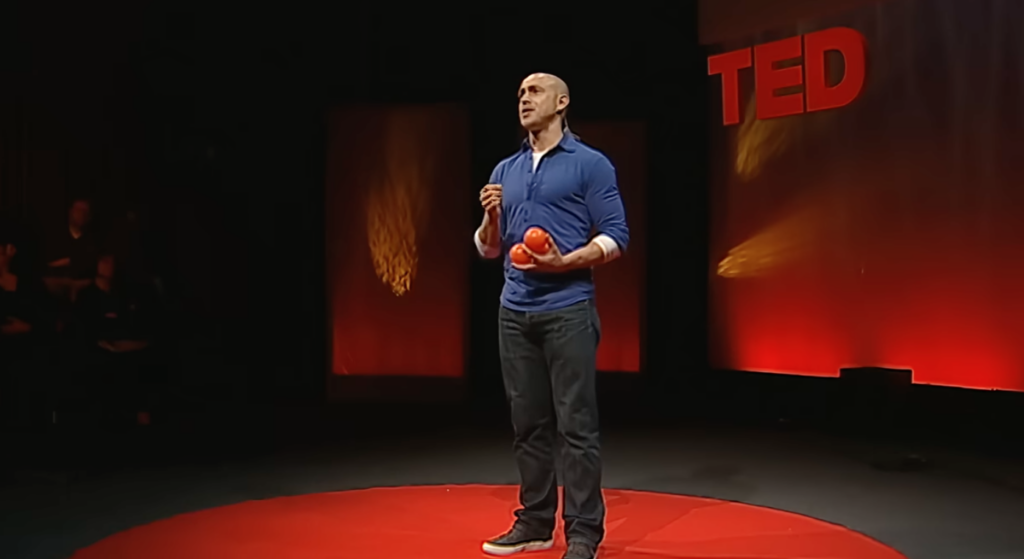
Mindfulness expert Andy Puddicombe asks a simple, yet engaging question. When did you last do absolutely nothing for 10 minutes? In this video, Puddicombe…
 Watch Now

What would happen if someone followed you around all day and said out-loud what you say privately to yourself? “You look terrible.” “You’re going…
Read the article

Self-compassion can be a challenging subject. Many of us find it so easy to be compassionate for someone else who is struggling. We’d never…
Read the article