


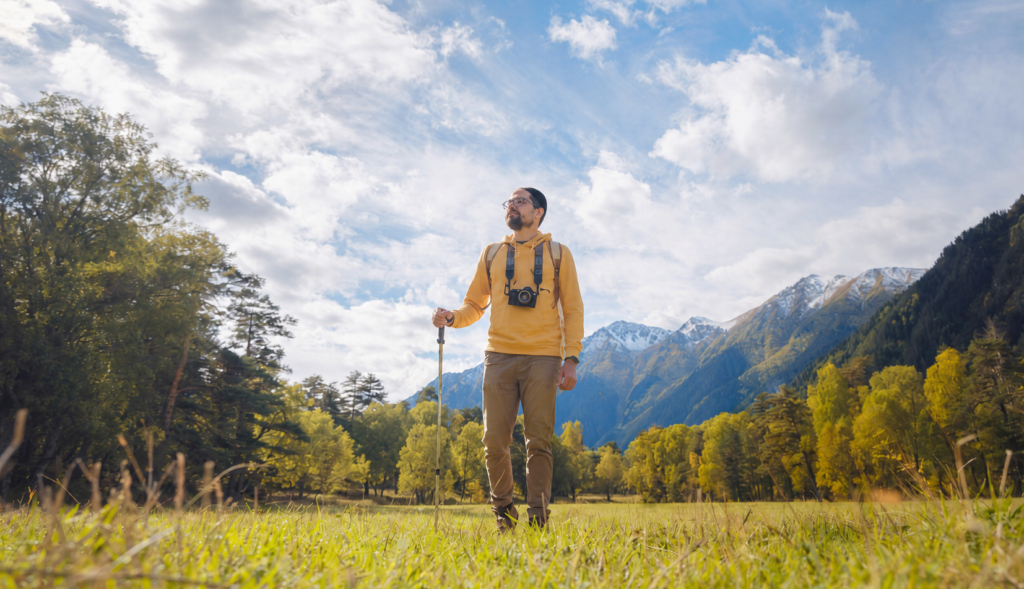
Why You Procrastinate (It’s Not Laziness)
Procrastination is a challenging experience that so many of us are all too familiar with. Different tasks and projects in our lives can get…
 Read the article


Powered by Shimi and Huvi Jacobovits
Twenty minutes. That is how long it takes, according to a study published in Frontiers in Psychology, for cortisol (a stress-response hormone) levels to begin dropping measurably after a person steps into a natural environment. Not a national park or a weeklong retreat. But a park bench, tree-lined street, or a simple backyard. Twenty minutes of being outside, without a phone, and stress hormones begin to recede.
This is one of dozens of findings from a growing body of research on nature exposure, and the cumulative picture is striking. Time in nature reduces stress hormones, lowers blood pressure, and even boosts immune function. These are measured, replicated physiological effects that raise an uncomfortable question: if being outside is this good for us, why do most of us spend a great majority of our time indoors?
A brain built for a different world
The human brain is wired for landscapes of open sky, moving water, wind, and greenery. It was not built for fluorescent lighting, rectangular rooms, and twelve hours of screen exposure. Environmental psychologists Rachel and Stephen Kaplan proposed the Attention Restoration Theory to explain why this mismatch matters. They distinguish between directed attention, the effortful focus we use to manage tasks and decisions, and soft fascination, the gentle and involuntary attention nature draws out of us when we watch clouds or listen to birds.
Directed attention is finite. It fatigues over the course of a day, which is why we can feel mentally exhausted by evening even without physical exertion. Nature restores it by engaging the softer system, giving the directed system a chance to recover. This is why a fifteen-minute walk outside can clear the head in a way that fifteen minutes on the couch with a phone cannot. The couch rests the body and the walk rests the brain.
The mood effect
Beyond attention, nature has a documented impact on emotional regulation. A Stanford study found that participants who walked for ninety minutes in a natural setting showed decreased activity in the brain region associated with repetitive negative thinking. Those who walked along a busy road showed no such change. For people prone to rumination, this has practical significance: a walk through a park interrupts the specific neural patterns that keep us stuck in negative thought cycles.
Making it part of an ordinary week
The research consistently shows that the threshold for benefit is remarkably low. A Japanese practice of “forest bathing”, involves nothing more than walking slowly through a wooded area and paying attention to sensory input. Studies have shown significant reductions in cortisol after sessions as short as fifteen minutes. However, a forest is not required. A backyard counts and even looking at nature through a window produces measurable cognitive benefits.
Eating lunch outside twice a week costs nothing. A phone call taken while walking instead of sitting at a desk accomplishes the same things in a different place. Ten minutes outside after the kids are in bed, even if “outside” is a front stoop, is still ten minutes. Shabbos afternoons are a natural fit, particularly in summer. A family walk after lunch, with no agenda and no destination, does more for mental health than we might expect from something so unhurried.
There is often a gap between knowing something is good for us and actually doing it. When the feeling is foggy, depleted, or vaguely off and the cause is hard to name, the simplest explanation is sometimes the right one. We may not need a new routine, we may just need to go outside.
This article is for informational purposes only and is not a substitute for professional medical advice, diagnosis, or treatment.

Procrastination is a challenging experience that so many of us are all too familiar with. Different tasks and projects in our lives can get…
Read the article
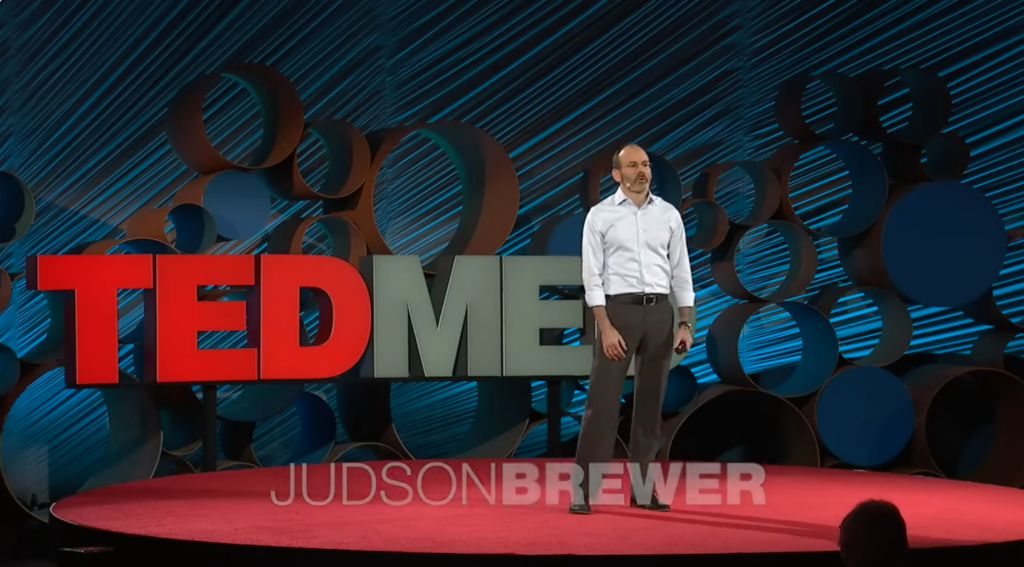
Psychiatrist, Dr. Judson Brewer, explains how the trap of bad habits actually works, and what you can do about it. He explores various misconceptions…
 Watch Now

The Winter Challenge The wintertime presents many tests that can challenge us for months on end. Unpredictable weather, cold temperatures, and a multitude of…
Read the article

Self-compassion can be a challenging subject. Many of us find it so easy to be compassionate for someone else who is struggling. We’d never…
Read the article

Carol Dweck researches “growth mindset” — the idea that we can grow our brain’s capacity to learn and to solve problems. In this talk,…
Watch Now

The wounds we ignore Emotional injuries are remarkably common. Rejection, failure, loss, and other challenging experiences, can affect us on a regular basis. The…
Read the article